





































Hedera 'Wonder Green' – Care, location & tips for ivy
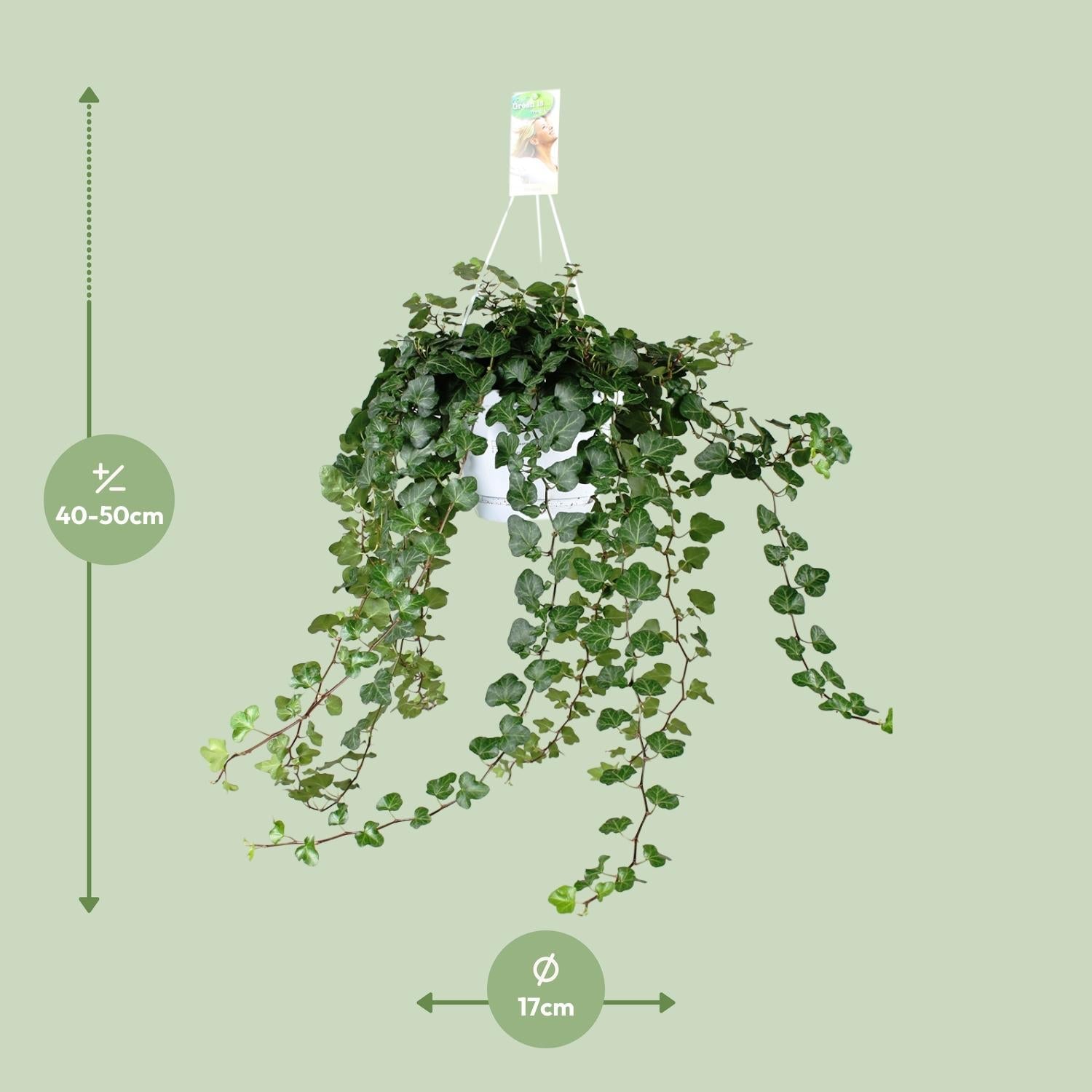
Ivy is a true classic, but the Hedera 'Wonder Green' variety sets new standards when it comes to vitality and color intensity. With its small, heart-shaped leaves in a rich dark green, it is the perfect choice for anyone looking for an uncomplicated yet highly functional plant. As a natural air purifier, ivy actively improves the quality of your indoor air. In this guide, you will learn how to provide the best care for your ivy.
Origin & Characteristics
The genus Hedera is originally native to Europe, Asia, and North Africa. The Hedera 'Wonder Green' is a particularly robust cultivar of common ivy. It is characterized by its aerial roots, which it uses to climb up walls, trellises, or trunks. It is particularly popular indoors because it effectively filters pollutants such as benzene and formaldehyde from the air.
Appearance & Growth
Characteristic of the 'Wonder Green' is its dense, bushy growth and glossy, deep green leaves without light variegation. With a delivery size of 50-70 cm, the 'Wonder Green' ivy immediately brings a natural fullness to your rooms. It can be cultivated climbing on supports as well as hanging in baskets.
The ideal ivy location
Where does the Hedera 'Wonder Green' feel most at home?
Unlike many tropical houseplants, ivy is quite undemanding when it comes to light, but it still does not like extreme conditions.
- Light: Bright to semi-shaded. Pure green varieties like 'Wonder Green' can handle less light than variegated species.
- Temperature: It prefers cooler locations (15-20 °C). In winter, it should not be placed directly over a hot radiator.
- Room: Perfect for bedrooms, hallways, or offices.
Care & Watering: How to care for Hedera 'Wonder Green'
Consistent moisture without waterlogging
When caring for Hedera 'Wonder Green', consistency is key. The substrate should be kept evenly moist, but the surface is allowed to dry out slightly between waterings. Waterlogging quickly leads to root rot and must be strictly avoided. In winter, the ivy requires significantly less water due to less evaporation.
Typical problems & solutions
Why does my ivy have dry leaves?
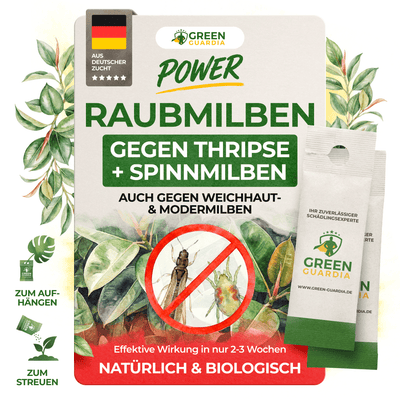
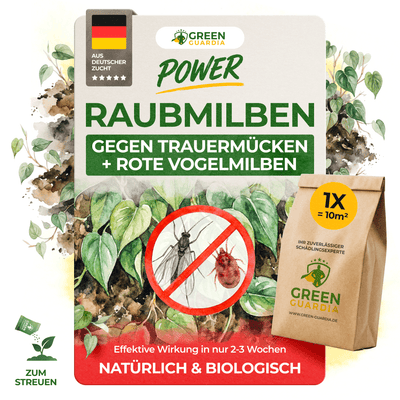
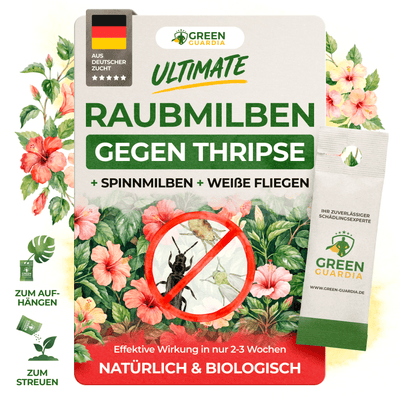
Dry, brown leaf edges are usually a sign of low humidity or a location that is too warm in winter. Spider mites often appear on ivy when the heating air is too dry. Regular misting with lime-free water is the best prevention. If the leaves turn yellow, this usually points to a watering error (too wet or too dry).
🍃 Expert tip: Treat your ivy to a lukewarm shower every now and then. This removes dust from the leaves and effectively prevents pests, while also maximizing its air-purifying capacity.
Prevention & long-term health
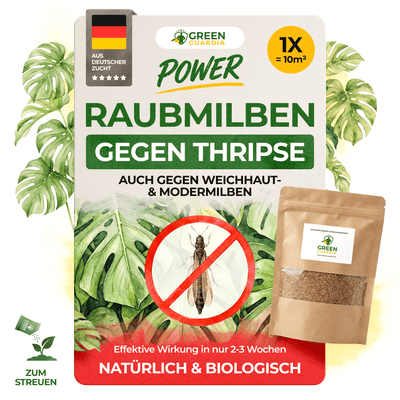
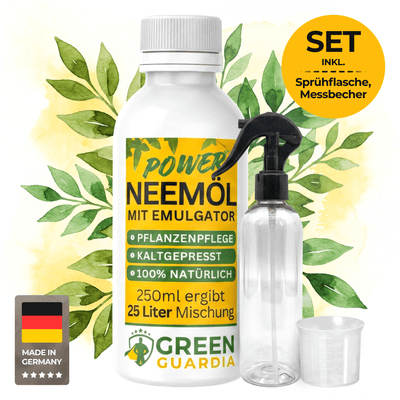
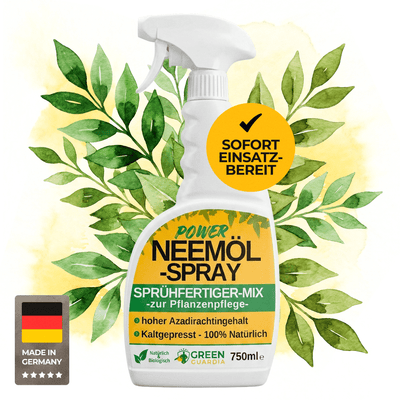
Use well-draining houseplant soil. You should fertilize the ivy every two weeks during the main growth period from March to August with a liquid green plant fertilizer. To support vitality and promote plant health, natural care aids can be used.
FAQ about the 'Wonder Green' Ivy
Is the Hedera 'Wonder Green' toxic?
Yes, ivy contains saponins and is toxic to humans and pets (dogs, cats, rodents). It should therefore be placed out of the reach of children and animals.
Can I prune my ivy?
Absolutely! Ivy is extremely tolerant of pruning. You can trim back long vines at any time to encourage bushier growth.
How do I recognize a healthy plant?
A healthy Hedera has firm, deep green leaves and shows clear new growth at the shoot tips in spring and summer.
Take action now:
The Hedera 'Wonder Green' is the ideal plant for anyone wanting to create a reliable green structure in their home. With its ability to purify the air and its adaptability to shadier spots, it is an essential partner for a healthy living climate. Ensure consistent moisture and avoid extreme heat.
Bring fresh green into your home! Order your robust 'Wonder Green' Ivy from us now and enjoy the natural elegance of this climbing expert!