





































Buying Trichogramma wasps – how to get these beneficial insects affordably
Moths in your home are annoying – and they rarely come alone. Whether it's pantry moths in your food supplies or clothes moths in your wardrobe: if you want to act quickly, you’re likely looking for an effective yet environmentally friendly solution. That is exactly where Trichogramma wasps (parasitic wasps) are one of the most popular options.
In this guide, you will learn how to buy Trichogramma wasps, what to look for when choosing them – and how to use these beneficial insects in the most cost-effective way suited to your specific problem.
Causes: Why do moths appear in the first place?
Moths aren't a sign of being “dirty” – they simply take advantage of favorable conditions. For pantry moths, simply bringing home infested products (e.g., nuts, flour, muesli) is often enough to start an infestation. Clothes moths are frequently attracted to natural textiles (wool, felt, fur, blended fabrics) – especially if the items have been stored undisturbed for a long time.
- Pantry moths: Infested groceries, open pantry items, crumbs in drawers, warm pantries
- Clothes moths: Natural fibers, rarely worn clothing, dark areas of the closet, textiles with traces of dead skin cells
- General: Undiscovered breeding grounds, cracks/drill holes, infrequent inspections
Tip: If you want to clearly identify the type of moth, our guides will help you: Identify & deal with pantry moths and Stop clothes moths in your wardrobe.
Detection: How do you know if Trichogramma wasps are the right solution?
Trichogramma wasps are tiny beneficial insects that target moth larvae. For them to work optimally, it is important that you know which type of moth you have – because different cards/applications are used for pantry moths and clothes moths.
- Pantry moths: Webbing in packaging, larvae in food supplies, moths in the kitchen/pantry
- Clothes moths: Small holes, “bald” spots in the fabric, larval casings/webbing on textiles
- Typical: Moths are often seen flying in the evening – the actual damage is caused by the larvae
🐞 Tip: The sooner you narrow down the location of the infestation (wardrobe, pantry zone, specific rooms), the more precisely you can buy and use Trichogramma wasps – this often saves time and money.
Control: Buying Trichogramma wasps correctly and using them effectively
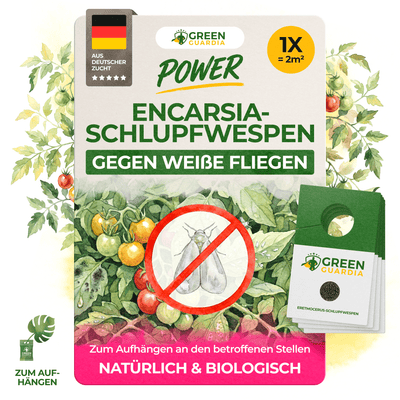
When you want to buy Trichogramma wasps, the most important question is: which moths should they combat? For a typical kitchen infestation, special cards are suitable for pantry moths. For the wardrobe, use versions designed for clothes moths.
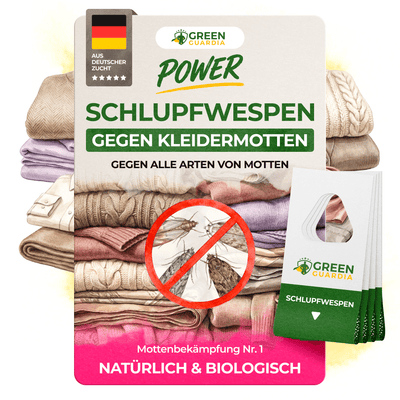
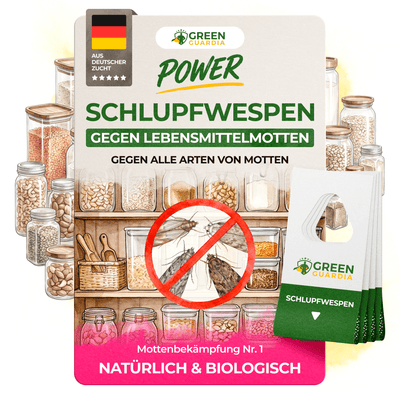
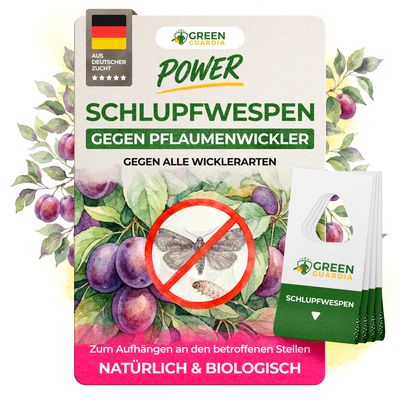
For targeted use, you can find suitable options here: Trichogramma wasps against pantry moths and Trichogramma wasps against clothes moths .
Which measures really help – and how can you save money while doing so?
- Reduce breeding grounds: For pantry moths, dispose of infested products, thoroughly clean cabinets, and clean out cracks.
- Protect textiles: For clothes moths, inspect natural textiles, brush/wash them, clear out and keep closets clean.
- Apply wasps consistently: Multiple delivery intervals are often useful so that new moth larvae can be “caught” as they hatch.
- Targeted application: It is better to cover the actual hot spot than to distribute cards aimlessly throughout the entire house.
Practical price tip: It is usually most cost-effective to choose Trichogramma wasps specific to the type of moth and apply them directly where the moths actually are. For the kitchen: Trichogramma wasps against pantry moths . For closets and textiles: Trichogramma wasps against clothes moths .
How the application works in everyday life
- Positioning: Place cards close to the infestation site (e.g., pantry shelf / wardrobe / dresser).
- Stay calm: Trichogramma wasps are tiny, not aggressive, and will disappear on their own once their job is done.
- Repetition: Infestations are rarely gone “overnight” – continuous application over several weeks is key.
Prevention: Keeping moths away in the long term
To avoid having to buy Trichogramma wasps repeatedly, it’s worth setting up a small prevention routine. This reduces the risk of moths moving back in – especially in food supplies or rarely used closet areas.
- Store supplies tightly: Use glass, metal, or airtight boxes instead of thin bags/cardboard boxes.
- Regular inspection: Briefly check the pantry & cabinets every 2–4 weeks.
- Closet hygiene: Store natural textiles in a clean state, and remove dust and lint.
- Check new purchases: Especially nuts, dried fruit, muesli, flour & pet food.
🐞 Tip: If you have already had moths once, an early, targeted application of Trichogramma wasps against pantry moths or Trichogramma wasps against clothes moths can help keep the infestation pressure low from the start.
Frequently asked questions about “buying Trichogramma wasps”
How do I find out if I need Trichogramma wasps against pantry moths or clothes moths?
Look at the infestation location: In the kitchen/pantry, webbing in packaging and larvae in supplies usually point to pantry moths. Holes in wool & natural textiles point more towards clothes moths. Then choose specifically: Pantry moths or Clothes moths.
How long does it take for Trichogramma wasps to take effect?
Trichogramma wasps target the brood – this takes some time. You will often see fewer new moths after a few days, and the infestation will decrease significantly over several weeks. It is important to continue the application consistently for the recommended period so that later brood stages are also caught.
Are Trichogramma wasps dangerous to humans, pets, or plants?
No. Trichogramma wasps are tiny beneficial insects, not aggressive, and have no interest in humans or pets. They are specialized in parasitizing moth eggs. Once there is no more moth brood, they disappear on their own.
How can I buy Trichogramma wasps as cheaply as possible without cutting corners?
Above all, pay attention to the appropriate moth type and place the cards where the infestation actually is. “Too few” or “incorrectly distributed” cards often mean you have to buy them twice later. Targeted application is usually the most cost-effective: against pantry moths or against clothes moths.
What else can I do to prevent moths from coming back?
For pantry moths, airtight storage containers, clean cupboards, and checking new groceries help. For clothes moths, clean natural textiles, regular airing/moving of clothes, and clean closet areas are decisive. This will reduce the likelihood of having to buy Trichogramma wasps again.
Take action now:
If you want to get rid of moths sustainably, the most important step is: act with a specific plan. Choose the right version and start right at the site of the infestation – this saves time, nerves, and usually money as well.
- For food supplies & kitchen: Trichogramma wasps against pantry moths
- For wardrobe & textiles: Trichogramma wasps against clothes moths