






























































Natural ways to effectively combat dust mites
Dust mites are among the most common triggers for allergies in the home. While invisible to the naked eye, they can significantly impact your well-being. In this guide, you will learn how to identify dust mites, understand their causes, and reduce them naturally – for a healthier indoor climate in your home.
Causes: Why do dust mites appear?
Dust mites feed primarily on dead skin cells and thrive especially in warm and humid environments. Typical habitats include mattresses, bedding, carpets, upholstered furniture, and curtains.
- High humidity (above 50%)
- Warm room temperatures
- Infrequent or inadequate cleaning
- Excessive textiles in living spaces
Detection: How do you know if you have a dust mite infestation?
Since dust mites themselves are invisible, their presence is usually identified indirectly. Typical signs are primarily allergic reactions.
- Sneezing or a stuffy nose after waking up
- Itchy or watery eyes
- Coughing or difficulty breathing
- Skin irritation or itching
Control: Natural measures against dust mites
Complete removal is hardly possible, but with targeted measures, the burden of dust mites can be significantly reduced.
- Regular washing of bedding at at least 60°C
- Reducing humidity through ventilation or dehumidifiers
- Vacuuming with a HEPA filter, especially on carpets and mattresses
- Minimizing textiles that collect dust
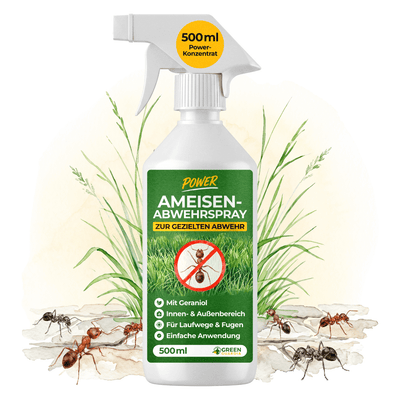
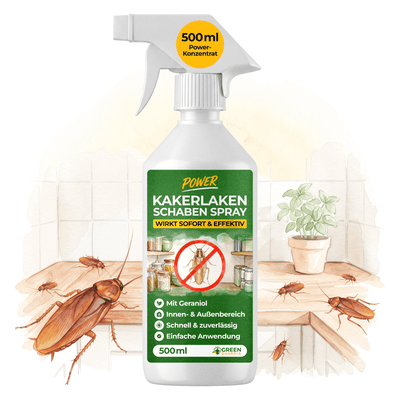
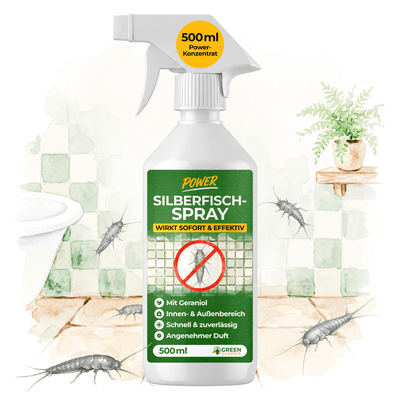
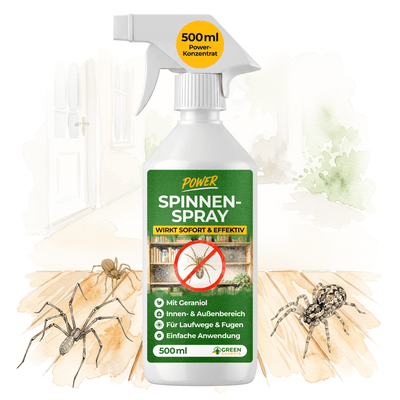
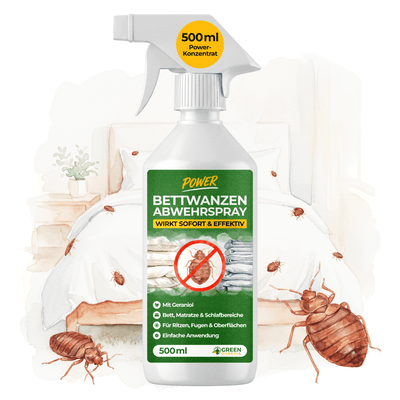
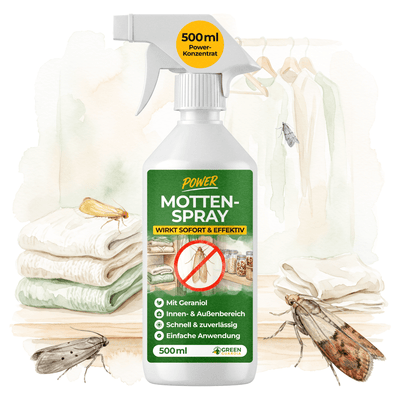
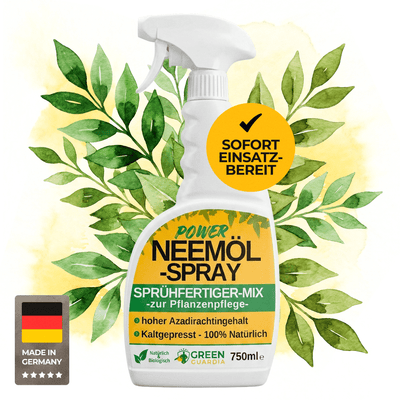
For targeted everyday support, special plant-based mite repellent sprays can be used. They help keep surfaces more hygienic and make the living environment feel noticeably fresher – without any aggressive ingredients.
Prevention: Reducing dust mites in the long term
Prevention is the most important step in keeping dust mites under control in the long run. Small changes in everyday life often have a big impact.
- Keep room temperatures below 20°C if possible
- Ventilate rooms daily by opening windows fully, especially in the bedroom
- Regularly vacuum and rotate mattresses
- Use mite-proof covers for mattresses and pillows
Frequently asked questions about dust mites
How long does it take for the dust mite load to decrease?
With consistent implementation of these measures, initial improvements can often be seen after just a few weeks.
Are dust mites a sign of poor hygiene?
No. Dust mites occur in almost every household. The key is the proper management of textiles, humidity, and the indoor climate.
Are natural products effective against dust mites?
Plant-based solutions can help maintain surfaces and make the living environment less attractive to mites – as part of a holistic approach.
Conclusion: Dust mites cannot be completely avoided, but with the right combination of cleaning, indoor climate control, and supporting products, you can significantly improve your quality of living. Get started now and enjoy a noticeably fresher home.


