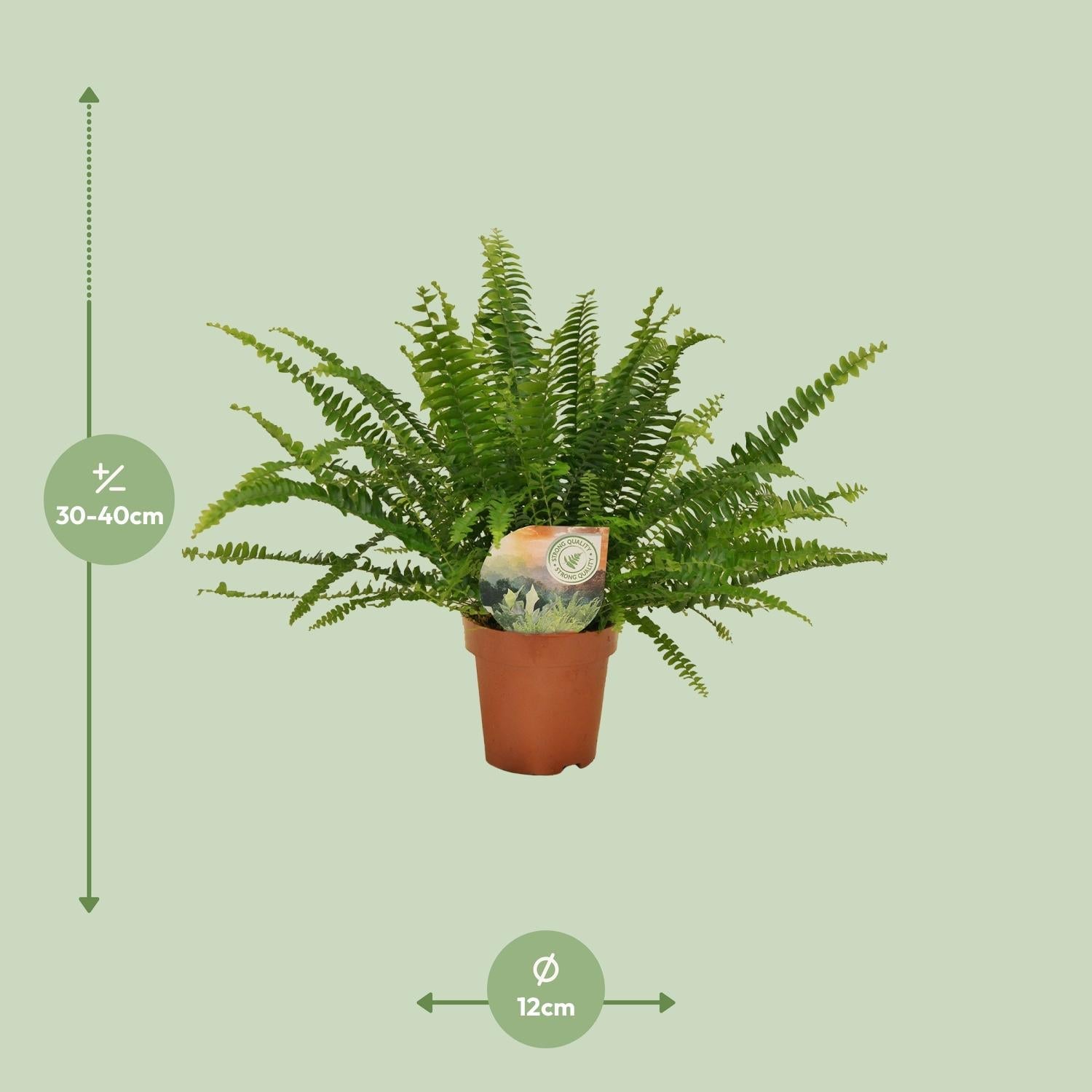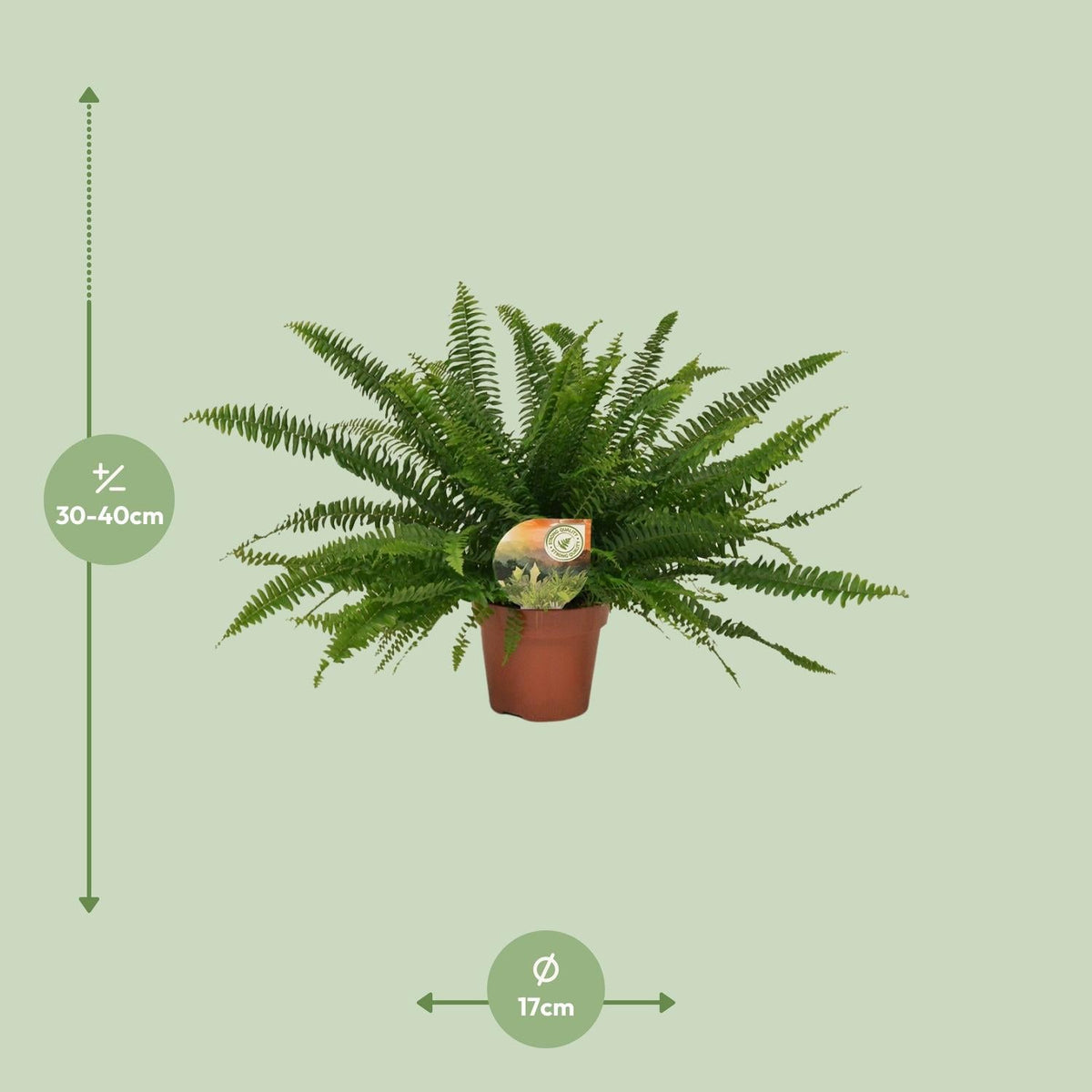























































The "Green Lady" fern is a true classic among houseplants, and for good reason. With its elegantly curved, feathery fronds, the Nephrolepis Green Lady brings a vibrant jungle feel right into your living room. Not only is it visually stunning, it is also considered one of the best natural air purifiers for a healthy indoor climate.
Origin & Characteristics
The sword fern, botanically Nephrolepis exaltata, originally comes from the tropical regions of America, Africa, and Asia. There, it usually grows in the semi-shade of large trees in high humidity. The "Green Lady" variety is characterized by particularly compact growth and a robust nature, making it the ideal choice for plant lovers.
Appearance & Growth
The "Green Lady" captivates with its intense, light-green fronds that grow radially from the center of the plant. Depending on age and care, the Nephrolepis Green Lady reaches an impressive size of 30 to 80 cm. With larger specimens, the fronds drape elegantly, which is why the plant is also excellent for hanging baskets or elevated pedestals.
The ideal location for the green fern
To keep your Nephrolepis Green Lady healthy, the location is crucial:
- Light: Bright to semi-shady, but never direct midday sun (risk of leaf burn).
- Temperature: Room temperature between 18 and 22 °C is ideal. In winter, it should not be colder than 15 °C.
- Humidity: Ferns love moisture! A bright spot in the bathroom is often perfect.
Care & Watering: How to keep the Green Lady happy
When it comes to caring for the Nephrolepis Green Lady, a gentle touch is required. The soil should be kept consistently slightly moist without the plant having "wet feet." Waterlogging quickly leads to root rot. We recommend watering the fern from below or briefly submerging the pot in low-calcium water.
Mist the fronds regularly with soft water to simulate tropical humidity. This also prevents the leaf tips from drying out.
Typical Problems & Solutions
Why are my fern's leaves turning brown?
Usually, low humidity or dry heating air is the cause. Place a bowl of water next to the plant or use a humidifier. If the leaves turn yellow and fall off, the fern is often too wet.
What to do in case of pest infestation?
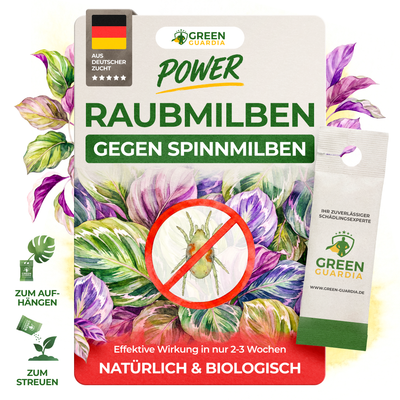
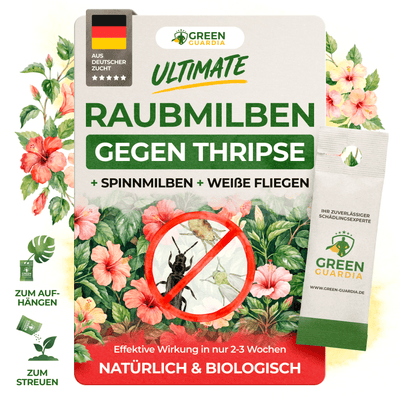
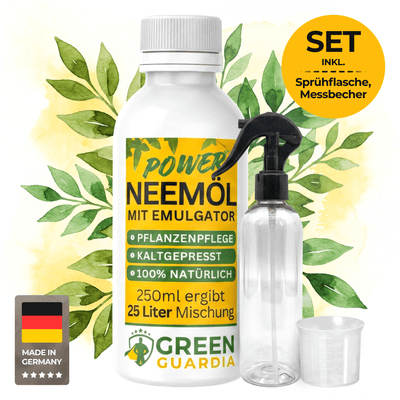
Spider mites can occur in very dry air. To strengthen plant health and as natural care support, the use of neem oil-based products has proven effective in promoting the resilience of the leaves.
Propagation
You can easily propagate the Nephrolepis Green Lady by dividing the rootstock when repotting in the spring. Ensure that each section has enough roots and at least two to three fronds.
Frequently Asked Questions about Nephrolepis Green Lady
Is the "Green Lady" fern toxic to pets?
No, the Nephrolepis Green Lady is considered non-toxic to cats and dogs. It is therefore an excellent choice for households with four-legged companions.
How often do I need to fertilize the sword fern?
During the growth phase from March to September, the fern enjoys a dose of liquid fertilizer at half concentration every two weeks. In winter, it requires hardly any additional nutrients.
What should I do about dried-out fronds?
Dried or brown fronds can be carefully cut off directly at the base with clean scissors. This promotes new growth and keeps the plant vital.
Take Action Now: Your Path to Becoming a Fern Expert
A healthy fern is the crowning glory of any houseplant collection. Maintain constant soil moisture and avoid direct heating air, and your green fern will bring you joy for years to come. Would you like to enrich your home with another magnificent specimen? Check out our Nephrolepis Green Lady in the shop now and bring tropical freshness directly into your home!
🌿 Tip: A small saucer with damp expanded clay under the pot provides natural evaporation right at the plant – your Green Lady will love it!