


























The Ponytail Palm, botanically Beaucarnea recurvata (often also referred to as Nolina), is the epitome of a low-maintenance houseplant. With its distinctive, bulbous thickened trunk and elegantly drooping leaves, the Beaucarnea Nolina brings a touch of desert exoticism into your home. It is not only unique in appearance but, thanks to its integrated water reservoir, also extremely patient with those who sometimes forget to water their plants.
Origin & Characteristics
The Ponytail Palm originally comes from the arid regions of Mexico. It belongs to the asparagus family and is excellently adapted to hot climates. Its most important feature is its trunk (caudex), which serves as a reservoir. There, the plant stores water for periods of drought, making the Beaucarnea Nolina one of the most resilient indoor plants of all.
Appearance & Growth
It is characterized by its thick, gray-brown trunk that widens toward the base – just like an elephant's foot. Long, narrow, and often slightly twisted leaves spring from the top. In indoor cultivation, it grows very slowly, but usually reaches a stately height of 60 to 80 cm, making it an ideal solitary plant.
The Ideal Location for a Ponytail Palm
Where should the Nolina be placed?
Light is the most important criterion for the Ponytail Palm's location. It loves a bright, sunny, and warm spot. A place directly by a south-facing window is ideal. In summer, it can even be moved outdoors to a balcony or patio, provided it is slowly acclimated to direct sunlight. It also tolerates partial shade, though it grows even more slowly there.
Caring for the Ponytail Palm & Proper Watering
When it comes to caring for a Ponytail Palm, the golden rule is: less is more. Thanks to its water reservoir, it only needs water occasionally. Water only when the root ball has dried out almost completely. Definitely avoid waterlogging, as the roots will quickly rot otherwise. In winter, during the resting phase at cooler temperatures, watering can be reduced almost entirely.
Typical Problems & Solutions
Brown leaf tips on the Beaucarnea Nolina
Brown tips are often a sign of dry heater air or mechanical irritation (if the leaves are rubbing against a wall). Occasional misting or wiping the leaves with a damp cloth helps. However, if the leaves become yellow and soft, the plant is likely being watered too much.
Protecting leaves and plant health
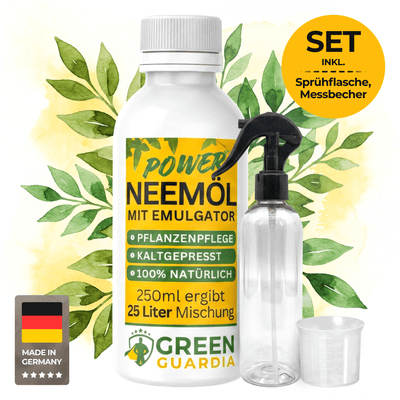
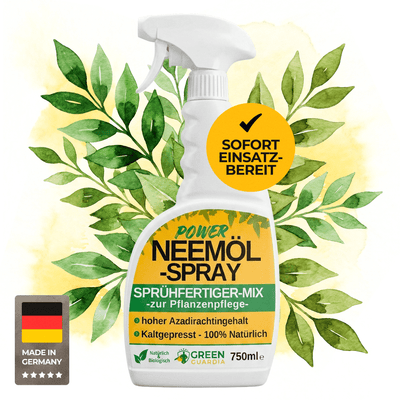
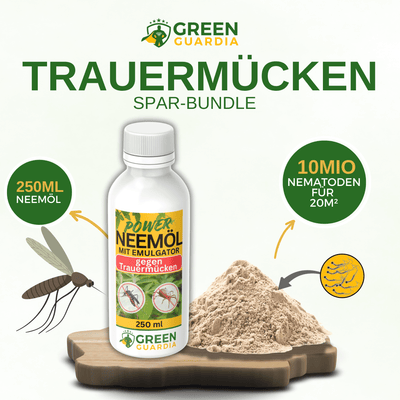
Although pests are rare, spider mites can appear under unfavorable conditions. Neem oil has proven effective for general care support and strengthening the leaf structure. It naturally cares for the leaf surfaces of your Beaucarnea Nolina and maintains its vitality against external influences.
Propagation
The Ponytail Palm can be propagated via side shoots that sometimes form on the trunk. These can be carefully separated and rooted in a mixture of sand and soil. Sowing seeds is also possible but requires a lot of patience.
Frequently Asked Questions about the Ponytail Palm
Is the Ponytail Palm toxic to pets?
Good news for pet owners: The Ponytail Palm is considered non-toxic to cats and dogs. However, the long leaves often tempt cats to chew on them, which can damage the leaves.
How often do I need to repot the Ponytail Palm?
Since it grows very slowly, repotting every 3 to 4 years is perfectly sufficient. A container with good drainage and permeable substrate (e.g., cactus soil) is important.
Can I trim the brown tips?
Yes, dried-out tips can be trimmed with clean scissors. However, do not cut into the healthy, green tissue; leave a minimal brown edge to avoid injuring the plant.
Take action now: Your long-lasting green companion
If you are looking for a plant that has character while requiring little work, the Ponytail Palm is the perfect choice. It forgives almost anything—except too much water. Would you like to bring this Mexican natural wonder into your home? Discover our robust Beaucarnea Nolina (60-80 cm) now and enjoy relaxed gardening with style!
🌵 Pro tip: The Ponytail Palm loves a shallow planter. As a shallow-rooting plant, it often feels more comfortable in bowls than in deep pots, which also minimizes the risk of waterlogging.